Biography
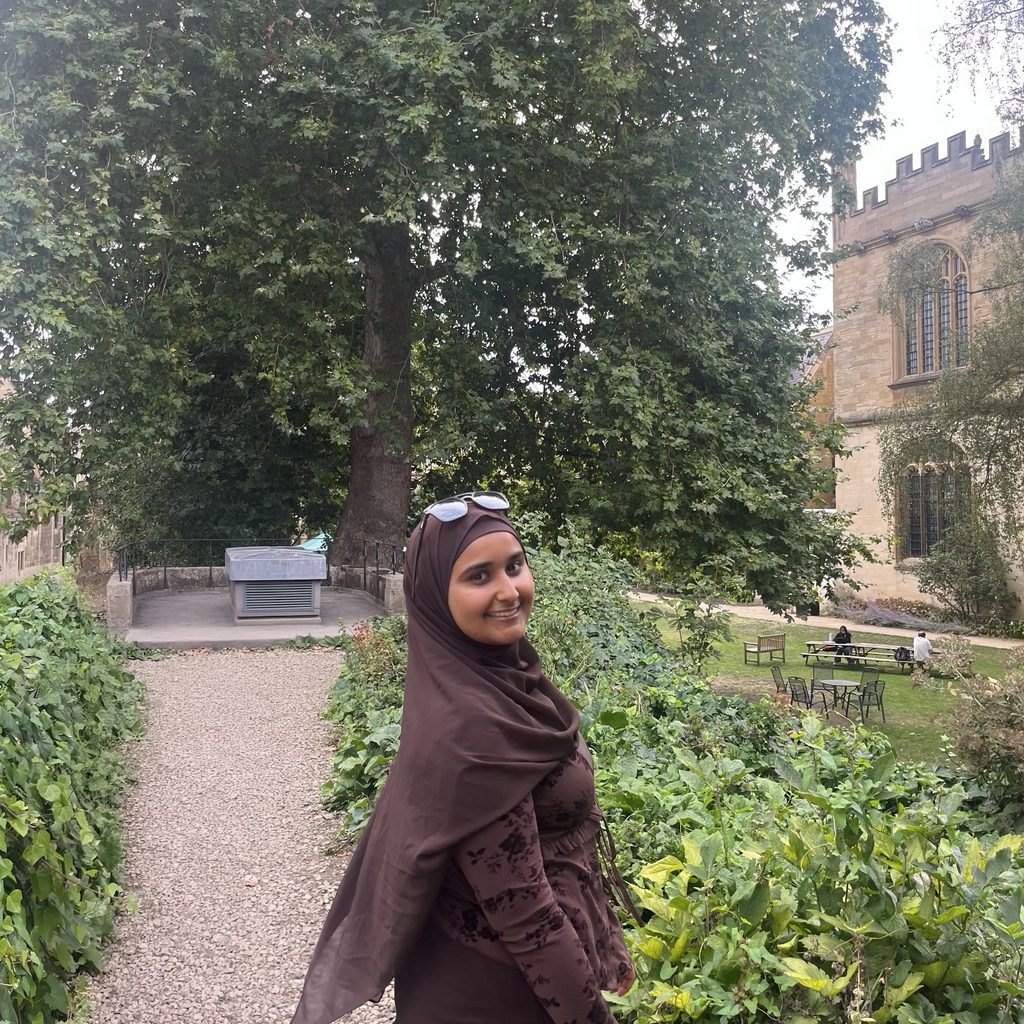
I am a PGR based in the Institute of Climate and Atmospheric Sciences at the School of Earth, Environment & Sustainability, University of Leeds, where I work with Dr Declan Finney, Professor John Marsham and Dr Steven Abel. I previously completed a BSc in Physics at the University of Manchester and an MSc in Applied Meteorology and Climatology at the University of Birmingham. I am interested in severe weather and how we can improve forecasting it. In my spare time, I enjoy badminton, watching sports and playing video games.
Qualifications
- 2022-2025: BSc in Physics from The University of Manchester
- 2025-2026: MSc in Applied Meteorology and Climatology from University of Birmingham
Links
Research Interests
- Lightning and thunderstorm electrification,
- Severe weather,
- Satellite observations for forecasting,
- Weather forecasting and nowcasting,
- Forecast lead-time improvement,
- Volcanic lightning,
- Tropical cyclones,
- Extratropical cyclones,
- Teleconnections
Teaching Interests
- Meteorology,
- Atmospheric Science,
- Physics,
- Physical Geography,
- Scientific Programming
PhD: Predicting the Initiation and Intensification of Lightning using Novel Satellite Observations
My PhD project will investigate the environmental conditions that lead to the initiation and rapid intensification of lightning in thunderstorms using observations from the new Meteosat Third Generation satellite mission. The research will look at how changes in atmospheric properties such as temperature, humidity and, cloud properties relate to the development of lightning. The aim is is to find signals within the lightning and sounding data that appear before lightning activity begins or increases. These relationships will then be used to develop machine learning approaches for improved nowcasting of lightning and convective storms.
This work is important because lightning is closely linked to some of the most hazardous aspects of convection and can act as an indicator of storm intensification. Greater skill in predicting lightning development could therefore improve situational awareness of severe weather. This will provide earlier warning of potentially high impact events, and ultimately help reduce disruption and risk to society. The project will also help demonstrate how the next generation of geostationary satellite observations can be used to support operational forecasting, especially nowcasting for severe storms.