
Cohort 1 – October 2025

Alma Chavez (2025)
University of Leeds
School of Earth & Environment
Using geochemical techniques to trace the origin of human remains.


Cari Littler (2025)
University of Leeds
School of Earth & Environment
Submerged peatlands – carbon store or carbon source?

Elena Jarvis (2025)
University of Leeds
School of Earth & Environment
Nutrient controls on climate and life.

Gabriel Rowland (2025)
University of Leeds
School of Earth & Environment
Ecological and conservation implications of illicit and unregulated species translocations.


Kirsty Firth (2025)
University of Leeds
School of Earth & Environment
Quantifying the impact of tropical deforestation on coral reefs to support coordinated tropical forest and marine conservation.

Mircale Iheanyichukwu (2025)
University of Leeds
School of Biology
Regenerative agriculture contribution to ecosystem services.

Molly Hammond (2025)
University of Leeds
School of Earth & Environment
Ice speed & Artificial Intelligence (AI): Using satellite data and machine learning methods to detect change on the Greenland Ice Sheet.

Nicholas Eves (2025)
University of Leeds
School of Geography
The impact of a wind farm on carbon emissions from peat.

Sabah Mostafa (2025)
University of Leeds
School of Chemistry
Understanding impacts of atmospheric oxidation processes in the remote marine boundary layer on greenhouse gases.

Saskia Hawkins (2025)
University of Leeds
School of Chemistry
Impacts of Ablating Space Debris in the Middle Atmosphere.

Anna Ray (2025)
University of Leeds
School of Geography
Tropical forest soil microbial carbon dynamics.

Sheylla Sulca Paredes (2025)
University of Leeds
School of Earth & Environment
Exploring the value of regional decadal climate prediction for adaptation planning.

Christopher Downing (2025)
University of Leeds
School of Earth & Environment
Localized hazardous weather events within extratropical cyclones.

Emma Lonnia (2025)
University of Leeds
School of Earth and Environment
Volcanic air pollution from Reykjanes eruptions in Iceland.

Georgina Musson (2025)
University of Leeds
School of Biology
Adapting to climate change on subtropical reefs.

Jake Job (2025)
University of York
WACL
Nitrogen oxides and ozone in the remote tropical Atlantic Ocean.

Liliana Goncalves (2025)
University of York
WACL
Emissions and air quality impacts from use of aggressive surface cleaners indoors.

Yulu Chen (2025)
University of Leeds
School of Earth & Environment
How polluted is our World? Investigating air pollutant long-range transport using state-of- the-art geostationary satellite constellations and chemistry transport modelling!

Ruqayya Butt (2025)
University of Leeds
School of Geography
What are the implications of recent changes to the Karakoram’s “glacier anomaly”?

Sabir Hussain (2025)
University of York
WACL
Understanding the atmospheric chemistry of domestic wood burning emissions.

Thomas Smith (2025)
University of Leeds
School of Geography
Hydrologically-informed estimates of malaria transmission.

William Amir (2025)
University of Leeds
School of Earth & Environment
How did solid Earth processes influence the accumulation of oxygen in our planet’s atmosphere?
Cohort 2 – October 2026

Aaron Sullivan Stremel (2026)
School of Earth, Environment & Sustainability, University of Leeds
Getting to the root of floodplain dynamics: Modelling interactions of water flow and riparian vegetation

Tom Pietryka (2026)
Wolfson Atmospheric Chemistry Laboratory, University of York
Understanding atmospheric oxidation in the marine tropical Atlantic
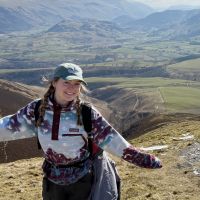
Emily Scott (2026)
School of Earth, Environment & Sustainability, University of Leeds
Developing Climate Resilient Woodlands in the UK: Insights From Gair Wood

Melika Mirzaei (2026)
Wolfson Atmospheric Chemistry Laboratory, University of York
How much do agricultural sources actually contribute to UK nitrogen oxide emissions?

Asim Mushtaq (2026)
School of Chemistry, University of Leeds
Fate of organic peroxy radicals in multicomponent VOC systems and their impact on secondary organic aerosol formation

Johnny Cort (2026)
School of Geography, University of Leeds
The future of Himalayan glacial lakes: uncovering subsurface features and instabilities with fieldwork and remote sensing observations
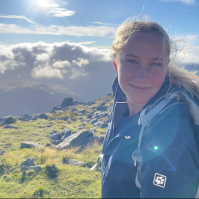
Eleanor Frost (2026)
School of Earth, Environment & Sustainability, University of Leeds
Exploring sediment – structure interactions in the evolution of compressional basins

Rosie Bibby (2026)
School of Geography, University of Leeds
Upland river ecosystem resilience to landscape-scale drought

Shaelyn Townend (2026)
School of Geography, University of Leeds
Proglacial landscape evolution across the Antarctic Peninsula in a warming climate

Hannah Brown (2026)
School of Biology, University of Leeds
Are you what you eat? The role of macronutrients in shaping adaptation to extreme environmental change in interacting species

Ella Chalmers (2026)
School of Geography, University of Leeds
Cooling down the food system: How can regenerative agriculture contribute to net zero?

Tuba Minhas (2026)
School of Earth, Environment & Sustainability, University of Leeds
Predicting the Initiation and Intensification of Lightning using Novel Satellite Observations
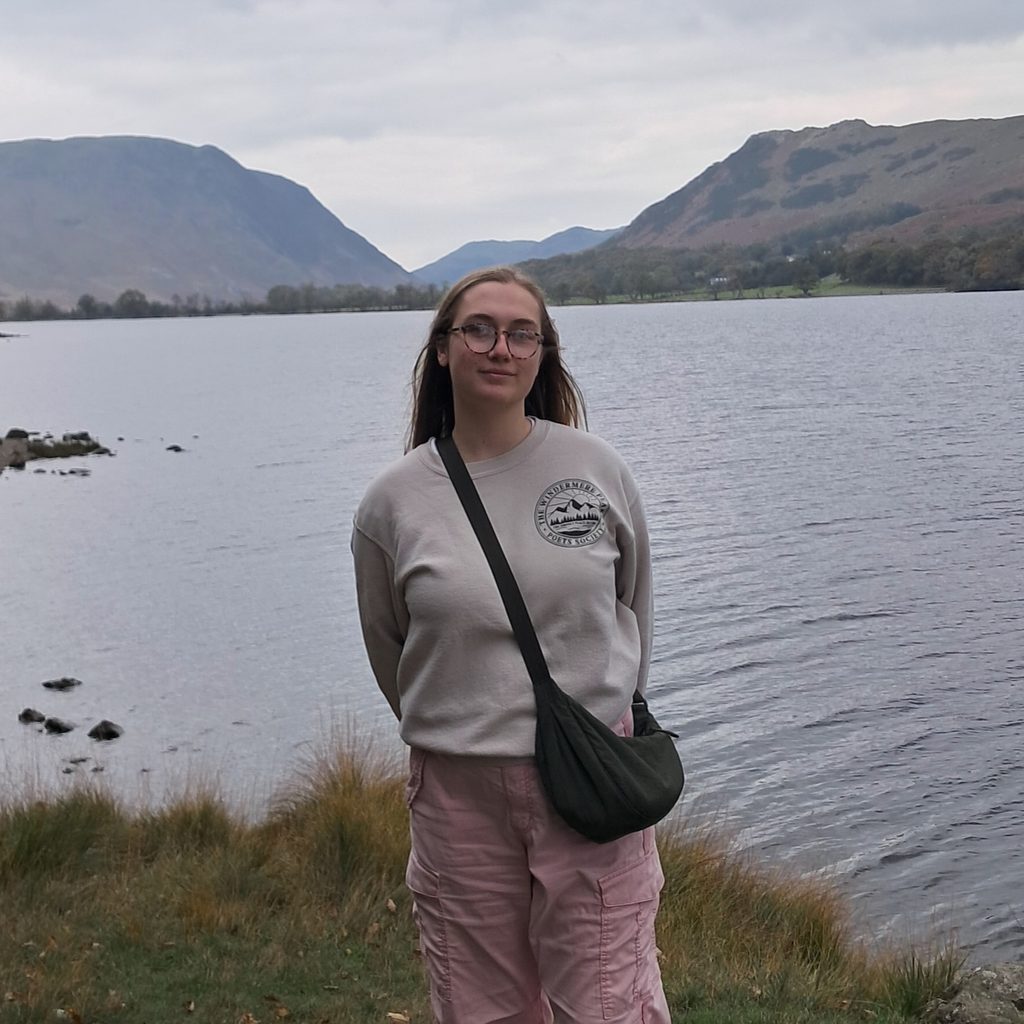
Sophie Weller (2026)
Wolfson Atmospheric Chemistry Laboratory, University of York
Understanding Volatile Organic Compounds in the Tropical Atlantic Ocean

Hannah Blount (2026)
School of Geography, University of Leeds
Impacts of Agricultural Practices on Antifungal Resistance in Soil Ecosystems

Shashini Tharaka Munasinghe Munasinghage (2026)
School of Chemistry, University of Leeds
Real-time direct detection of Criegee intermediates formed by ozonolysis of alkenes in an atmospheric simulation chamber

Ben Mackley (2026)
School of Earth, Environment & Sustainability, University of Leeds
A petrological Investigation into Mafic Explosive Eruptions in Southern Chile