
YES-27-B-04: Trait evolution in biological invasions
Trait evolution in biological invasions
Supervisors: Dr Josie South, Dr Steve Sait
BACKGROUND
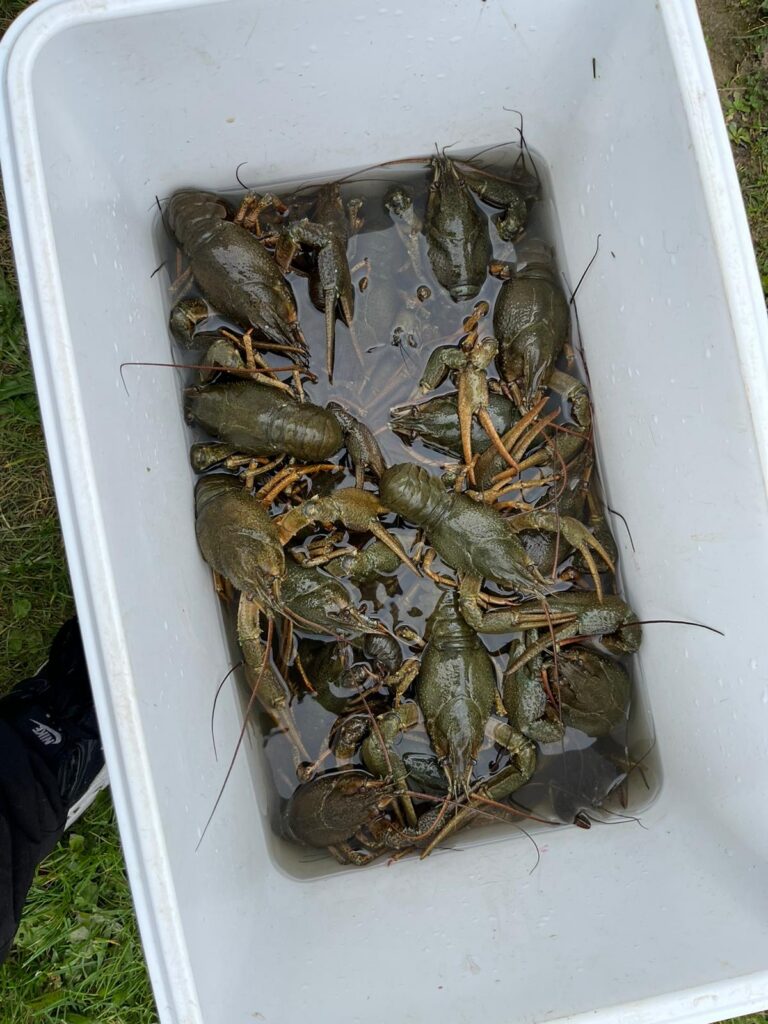
Biological invasions are a key driver of global change, causing irreversible ecosystem change, biodiversity loss and enormous economic burden. Our capacity to predict future invasions, manage invasive populations, and mitigate adverse ecological impacts is hampered by limited understanding of mechanisms of rapid evolution and adaptation to novel environments. For example, cane toads and crayfish both have been documented to have longer legs at the range front of an invasion – showing selection for dispersal related traits but with a trade off in body condition. In other cases, the round goby is more fecund and invests more in reproduction at the range front. It is not only the invasive species which can show trait evolution in response to novel environments, but also native species may exhibit character displacement and change traits in response to an invasive species. Understanding these individual level effects on both invader and native species can shed light not only on the dynamics of biological invasions but also range expansions, tropicalisation, and adaptation potential in the face of global change.
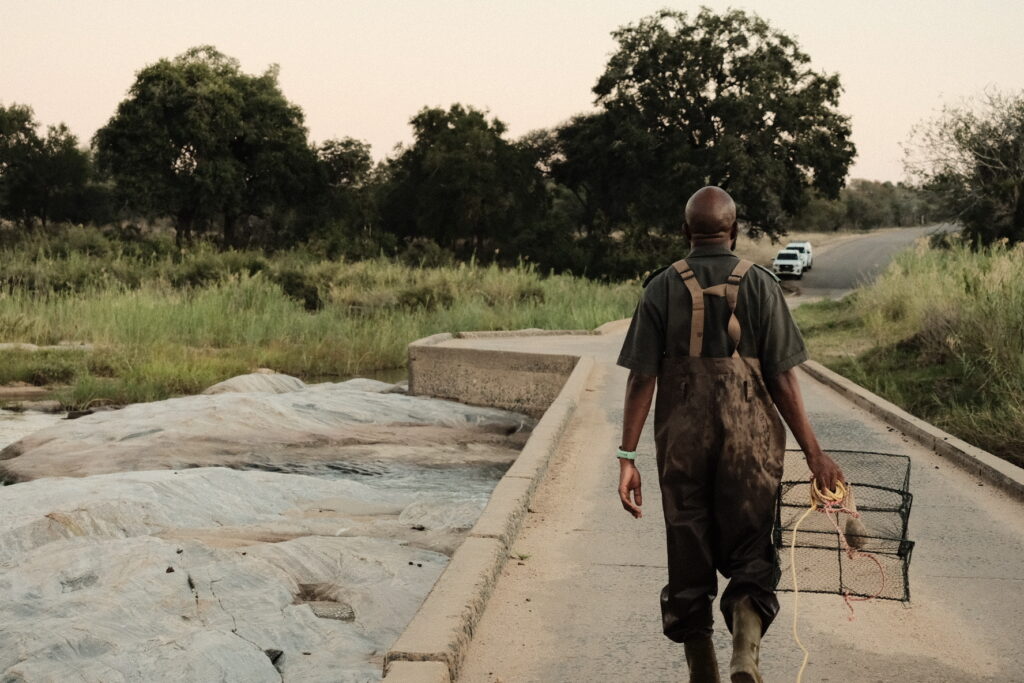
This project forms part of a Future Leaders Fellowship and will focus on freshwater species, as they are experiencing the highest levels of biodiversity loss, due to invasive species and climate change – but are overlooked in conservation policy. The project will lean on a large, global database of crayfish traits over time alongside various opportunities for experimental and fieldwork approaches in the UK, South Africa and Australia.
AIMS
- Test broad scale hypotheses in invasion science related to trait change e.g. Novel weapons, Evolution of Increased Competitive Ability
- Characterise patterns and drivers of consistent trait change in invasive species and determine whether these trait changes are invasion specific or expressed in any organism experiencing range shifts
- Assess the underlying mechanisms of trait change (plasticity or genetic) in novel environments using experimental model systems (e.g Neocaridinea shrimp or crayfish)
- Address prevalence of trait change/character displacement in native species to determine if some taxa have more potential to adapt to decrease negative impacts of invasions
IMPACT
The outcomes of this research will vastly improve the capacity to combat biodiversity loss caused by invasive species, and address global challenges related to food security and human livelihoods. The potential impacts of this PhD project will span fundamental science, biodiversity policy, invasion management and public engagement with biodiversity. The work will have broad appeal for conservation, sustainable livelihoods, and international policy.
TRAINING
You will be incorporated into a thriving and supportive cross-disciplinary research team and be embedded in the interdisplinary hub of Water@Leeds. The candidate will be benefit from support by international collaborators specialising in theoretical developments and application in ecomorphology, taxonomy, functional ecology, and trophic ecology with regards to invasion science. You will have many opportunities to complete fieldwork in the UK and abroad, alongside opportunities to develop lab based experimental work. All training will be given with regards to designing effective field and lab experiments, animal handling and animal ethics.
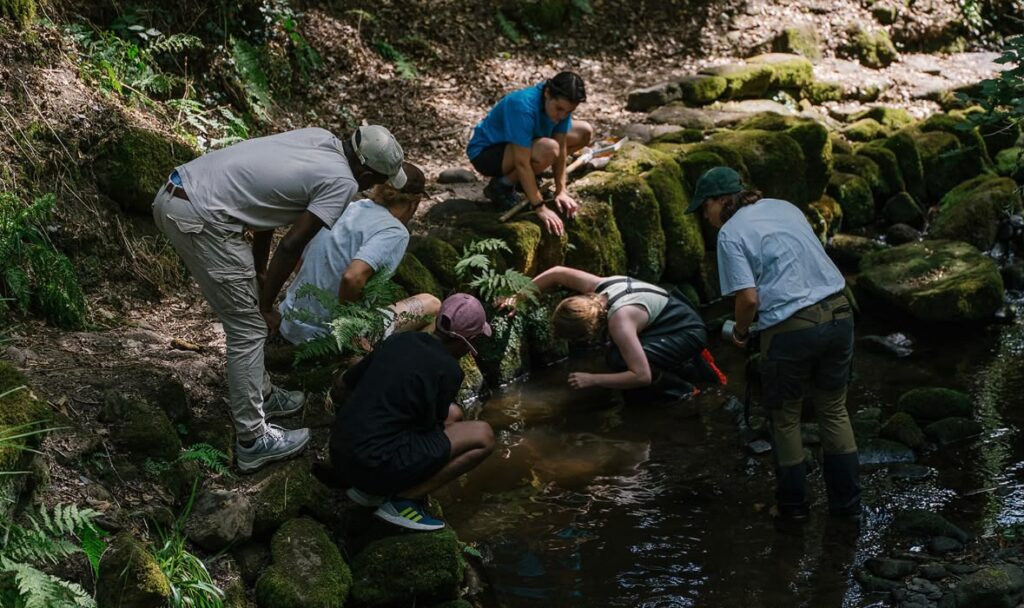
South Aquatic Interactions Lab sampling crayfish in Yorkshire